[gd_embed bg_color=”#0073aa” txt_color=”#fff” size=”h6″]
SEFA Uganda
Strengthening Communities Through Health, Education & Sustainable Livelihoods
About SEFA Uganda
SEFA Uganda is a national non-profit, non-governmental organization (NGO) founded in 2018 by a team of dedicated health volunteers and community well-wishers.
The organization was established in response to the urgent need for affordable health services and life-changing community interventions, particularly in Northern Uganda and underserved regions across the country.
SEFA Uganda works to empower disadvantaged and vulnerable communities, with special focus on:
-
Children
-
Women and adolescent girls
-
Elderly persons
-
Marginalized and hard-to-reach populations
Through integrated development programs, SEFA Uganda improves health outcomes, strengthens livelihoods, promotes education, and enhances community resilience.
Our Mission
To empower vulnerable and marginalized communities in Uganda through integrated health services, education, water and sanitation, sustainable livelihoods, and institutional capacity development.
Our Vision
Healthy, educated, and self-reliant communities actively participating in sustainable socio-economic development.
Our Core Program Areas
1. Health & Nutrition Program
Health and Nutrition is SEFA Uganda’s flagship program, focused on saving lives, improving wellbeing, and strengthening community health systems.
Key Interventions
-
Strengthening primary and secondary healthcare services
-
Provision of affordable and quality health services, including:
-
Maternal and neonatal health care
-
Free HIV/AIDS counselling and testing
-
Free diabetes screening
-
Free hypertension screening
-
Tuberculosis (TB) case identification, referrals, and linkage to care
-
-
Community and school-based public health education
-
Emergency response and disaster relief
-
Disease prevention and epidemic preparedness
HIV/AIDS Focused Healthcare
HIV/AIDS remains one of the most serious public health challenges in Uganda, compounded by:
-
High prevalence of sexually transmitted infections (STIs)
-
Limited awareness of transmission and prevention
-
Persistent stigma and discrimination
SEFA Uganda addresses these challenges through:
-
Community awareness and advocacy campaigns
-
HIV stigma reduction initiatives
-
Engagement with religious leaders, youth groups, women groups, sex workers, and community-based organizations
-
Training of community educators and media groups to strengthen local HIV prevention efforts
2. Water, Sanitation & Hygiene (WASH) Program
Unsafe water, poor sanitation, and inadequate hygiene remain leading causes of illness and child mortality in Uganda.
SEFA Uganda’s WASH program focuses on increasing access to safe water and promoting healthy hygiene practices in rural and urban settlements.
Access to Safe Drinking Water
Our interventions include:
-
Construction of new water sources such as:
-
Boreholes and drilled wells
-
Hand pumps
-
Gravity-fed water systems
-
Rainwater harvesting facilities
-
-
Formation and training of community WASH committees to:
-
Manage operation and maintenance of water systems
-
Lead hygiene and sanitation awareness campaigns
-
Sanitation Improvement
SEFA Uganda promotes safe waste disposal to reduce waterborne diseases through:
-
Construction of household and communal latrines
-
Establishment of solid waste disposal facilities in:
-
Schools
-
Churches and mosques
-
Markets
-
Health centres
-
-
Promotion of gender-segregated sanitation facilities equipped with hand-washing stations
Hygiene Promotion
We support communities to adopt positive hygiene practices such as:
-
Regular hand-washing with soap
-
Safe food handling
-
Proper household sanitation
These practices significantly reduce diarrhoeal and other preventable diseases.
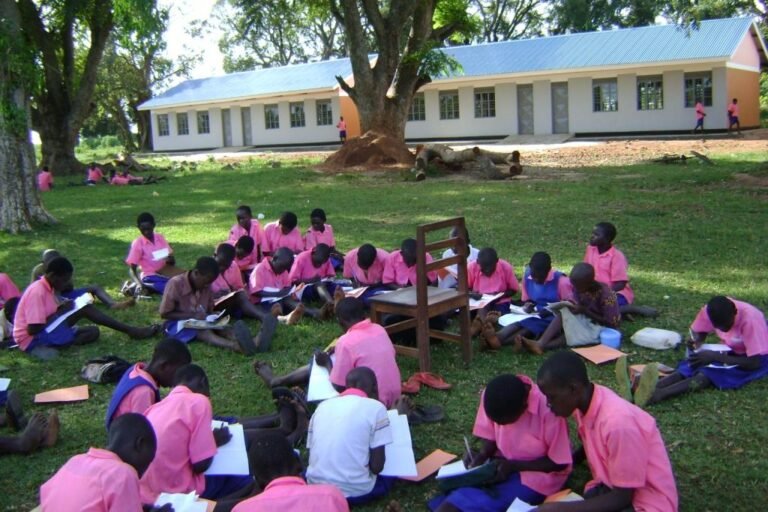
3. Education Program
SEFA Uganda believes education is a fundamental right and a powerful driver of long-term development.
In communities affected by conflict, poverty, famine, and displacement, children — especially girls — face major barriers to accessing education.
Education Interventions
-
Advocacy for school enrolment and retention
-
Promotion of girl-child education
-
Community sensitization on gender equality and education
-
Parental and school capacity-building trainings
Vocational & Alternative Education
For children and youth unable to join formal schooling:
-
Remedial education for youth aged 14–17
-
Vocational and apprenticeship training in marketable skills
-
Support for school-to-work transition
Adult & Women Education
-
Adult literacy programs for young married women and men
-
Skills development for income generation and household stability
Additional Education Support
-
Psychosocial support for orphans and vulnerable children
-
Provision of basic scholastic materials
-
Community education outreach to identify out-of-school children
-
Creation of safe and conducive learning environments
4. Livelihoods & Economic Empowerment Program
SEFA Uganda’s livelihoods program focuses on poverty reduction, food security, and self-reliance.
We work in partnership with:
-
Local communities
-
Private sector actors
-
Government institutions
-
Development partners
Key Livelihood Interventions
-
Agricultural skills development including:
-
Vegetable farming
-
Fish farming
-
Piggery
-
Tree planting and agroforestry
-
-
Youth vocational training and apprenticeship programs
-
Establishment of Village Savings and Loan Associations (VSLAs)
-
Small business development and entrepreneurship training
-
Formation of farming and enterprise groups to strengthen income generation
Our Impact Approach
SEFA Uganda is committed to:
-
Community-led development
-
Inclusion of vulnerable populations
-
Sustainability and local ownership
-
Accountability and transparency
-
Partnerships that strengthen grassroots systems
Fundraising campaigns :
Mission
To implement evidence-based, culturally sensitive, innovative projects promoting health, according to perceived public health needs and priorities as understood through quality research
Vision
Towards a peaceful country where conflicts, high costs of health care services, poverty, HIV/AIDS, stigma, discrimination and gender inequality are greatly reduced and the plight of young people, women and children are properly addressed
Activities:
1. Rescue and Rehabilitation:
- Conducting outreaches programs to identify and engage with children living in the streets.
- Establish shelters equipped with basic amenities, counselling services, and medical facilities
- Provide psychosocial support and reintegration assistance to help children transition to a stable environment.
2. Nutrition and Healthcare:
- Implement feeding programs to ensure children receive balanced meals and nutritional supplements
- Conduct regular health screenings and provide vaccinations and treatment for common illnesses
- Train local healthcare workers and volunteers to deliver healthcare services and educate communities on nutrition and hygiene practices.
3. Education and Skills Development:
- Enroll children in formal schooling or alternative education programs tai-lored to their needs
- Offer vocational training in trades such as carpentry, tailoring, and agriculture
- Provide life skills workshops on topics such as financial literacy, entrepre-neurship, and conflict resolution.
4. Community Empowerment:
- Engage community leaders, parents, and local stakeholders in awareness campaigns and community meetings
- Facilitate income-generating activities and livelihood support for families to improve their economic status
- Establish community-led child protection committees to prevent exploita-tion, abuse, and trafficking.
US$ 95000
Sorry, no records were found. Please adjust your search criteria and try again.
Sorry, unable to load the Maps API.